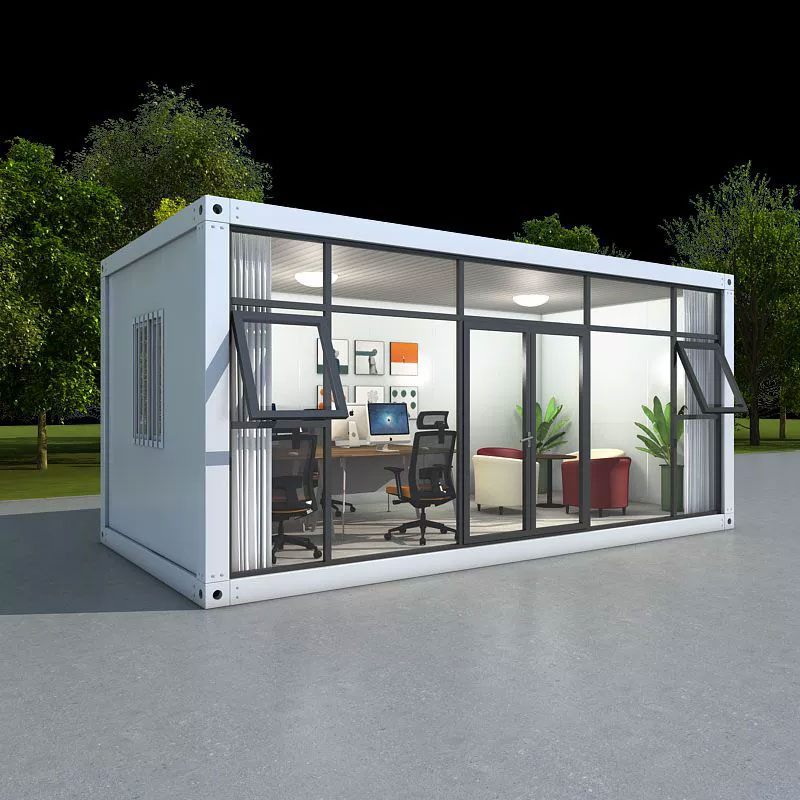
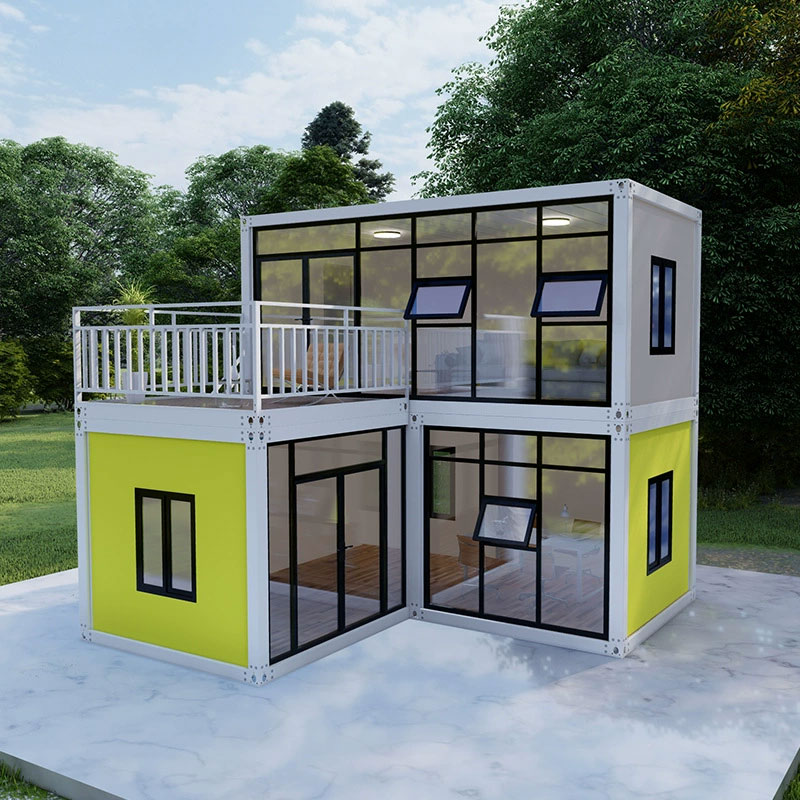
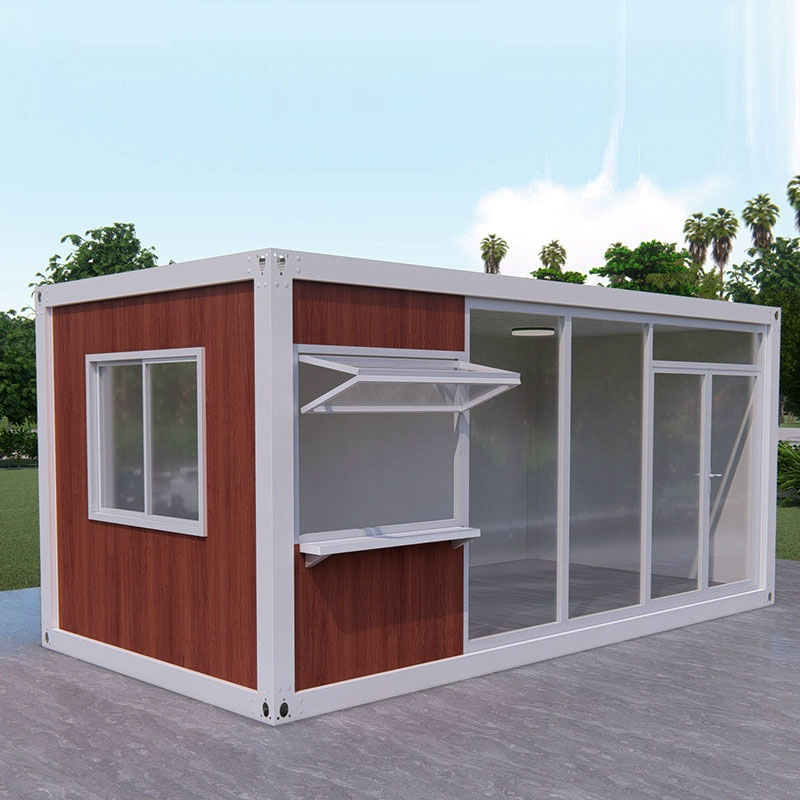
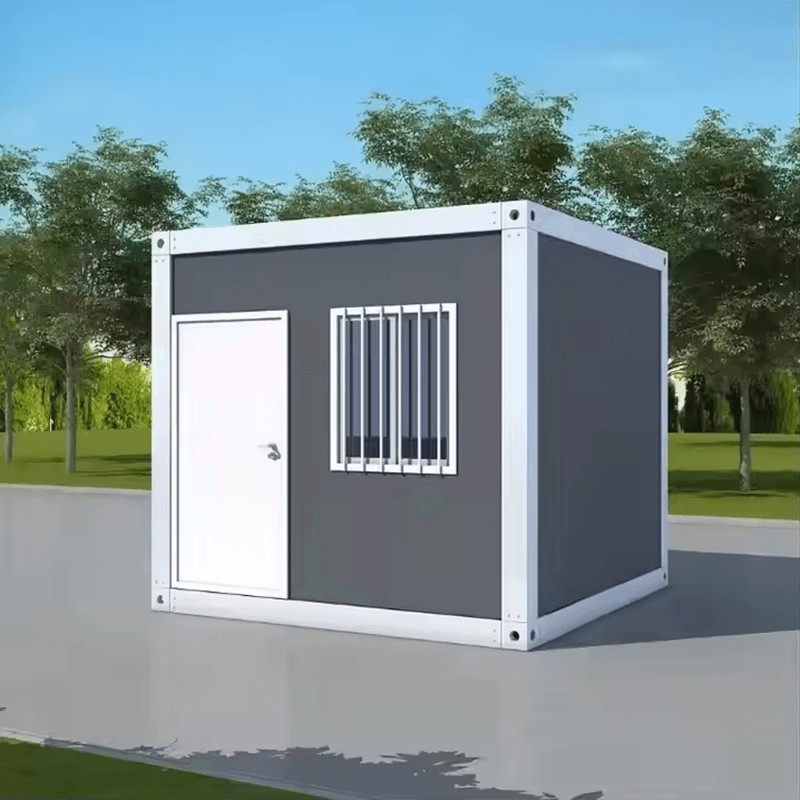
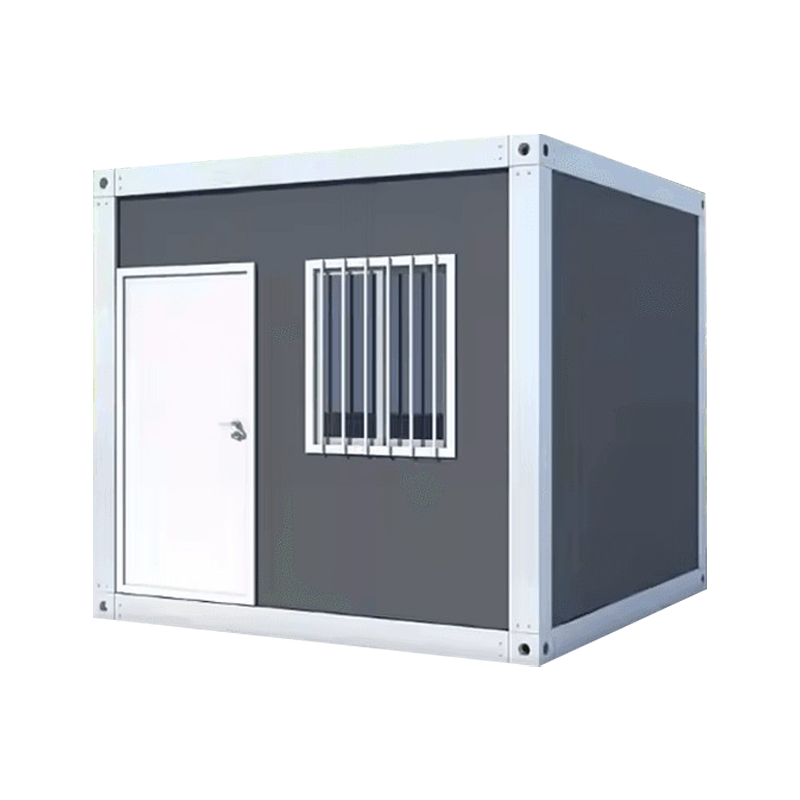
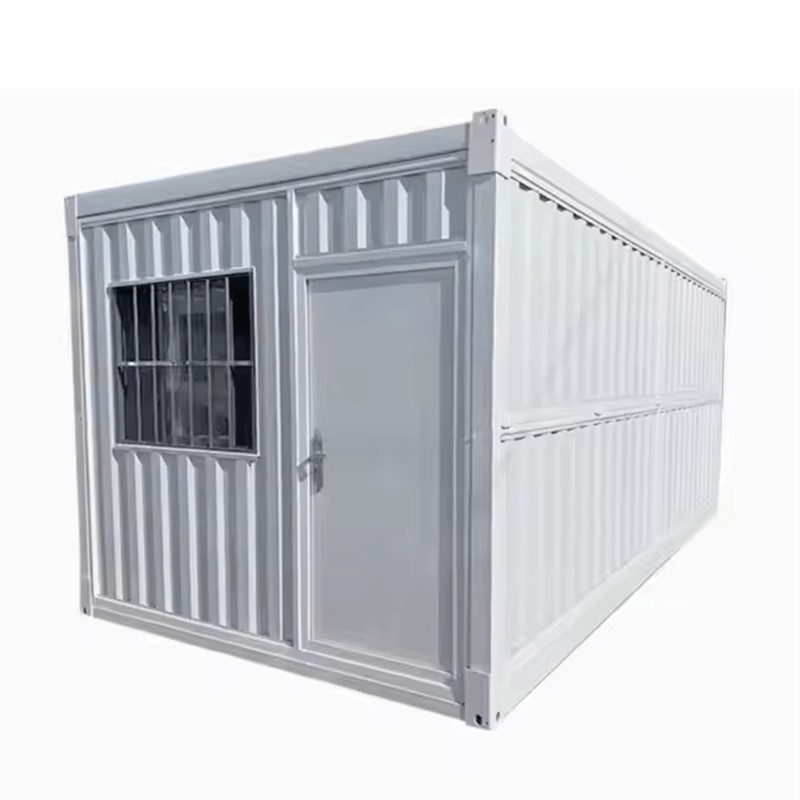
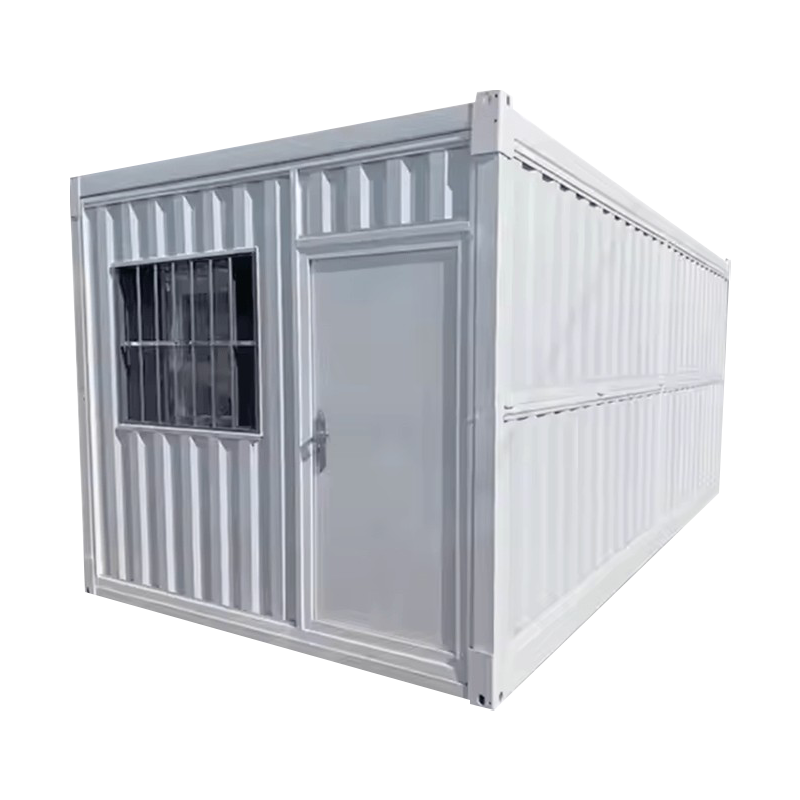
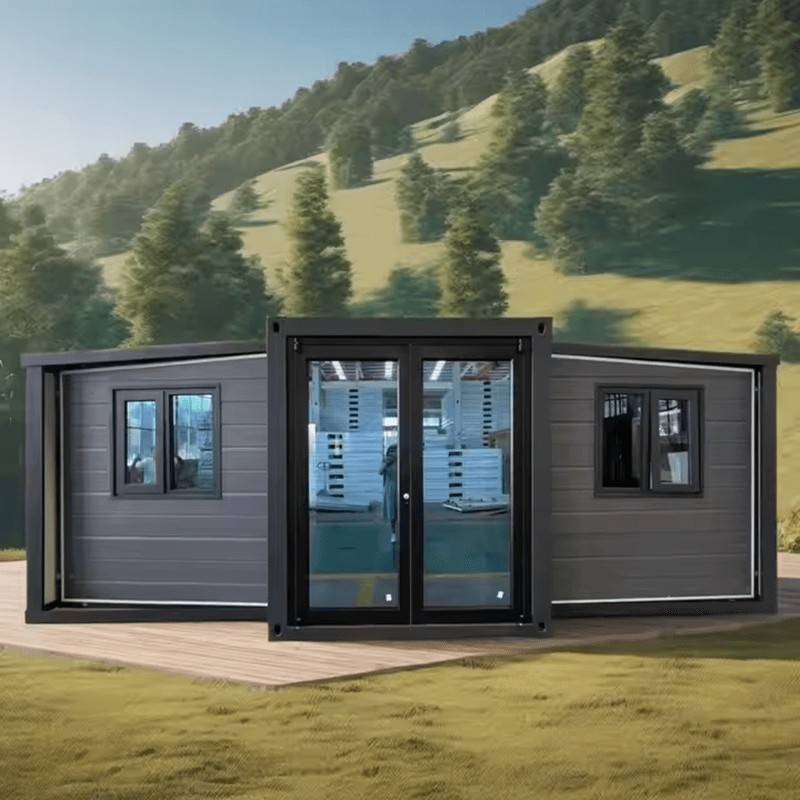
When we think about the future of housing, a keyword is increasingly appearing in the conversations between architects, real estate developers and environmental advocates - prefabricated houses. This type of housing, which is prefabricated in the factory and quickly assembled after being transported to the site, is gradually changing our traditional definition of "home".
Traditional buildings are subject to the climate, worker experience and material supply of on-site construction, and the construction cycle is often long and unstable. One of the biggest advantages of prefabricated houses is the efficiency and standardization of industrialized production. Each module of the house - walls, roofs, floors, and even water and electricity pipelines - can be precisely manufactured in the factory and then transported to the site for modular assembly. This not only shortens the construction period, but also significantly improves the controllability of construction and the quality of construction.
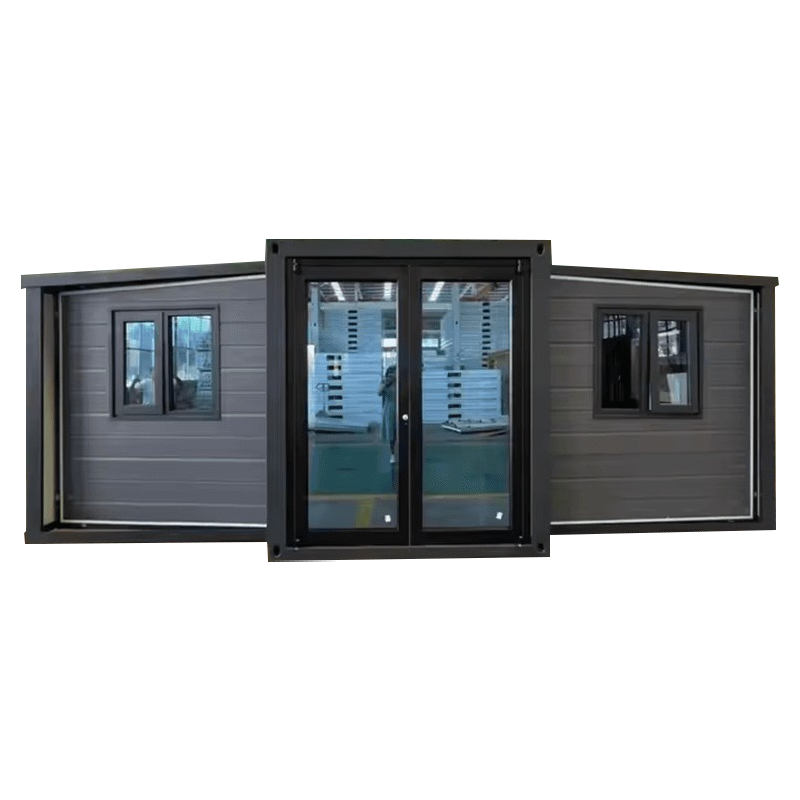
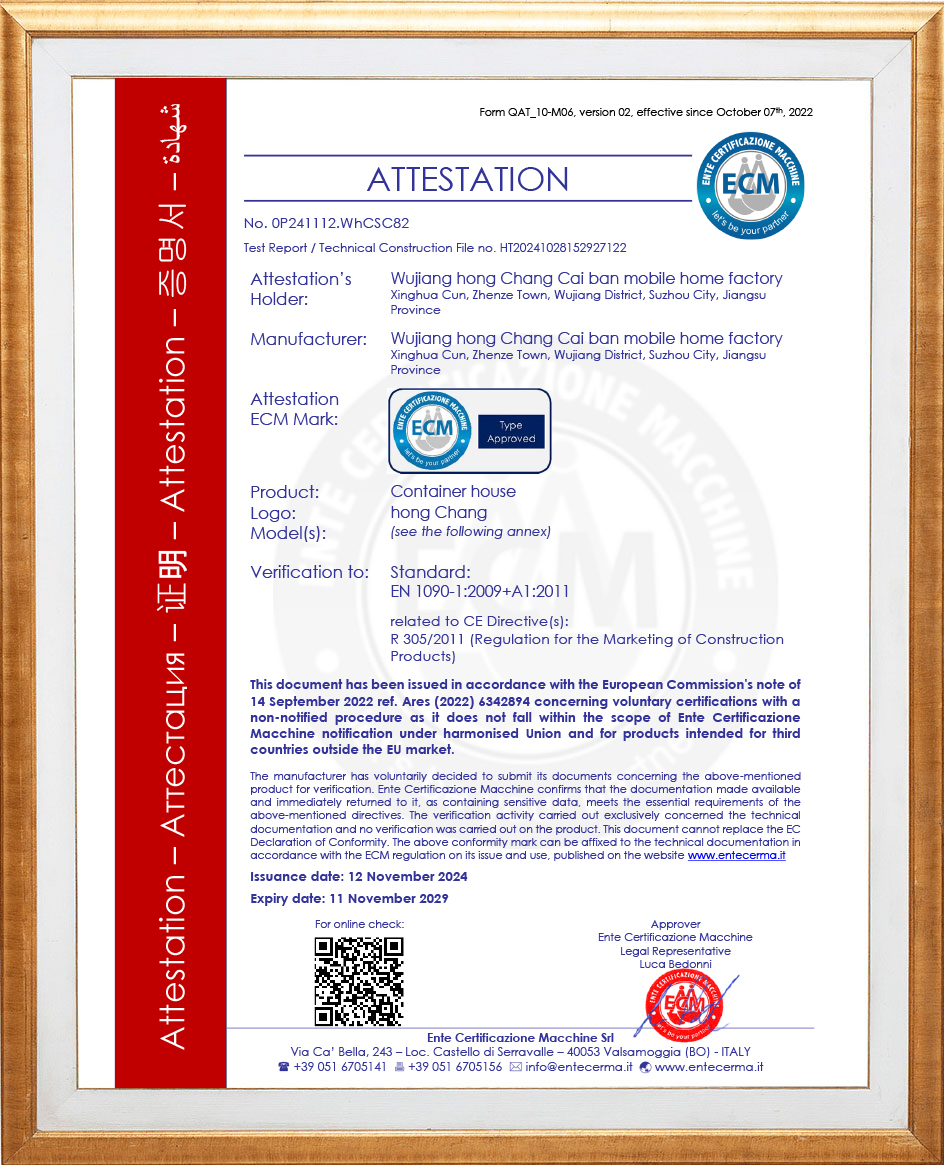
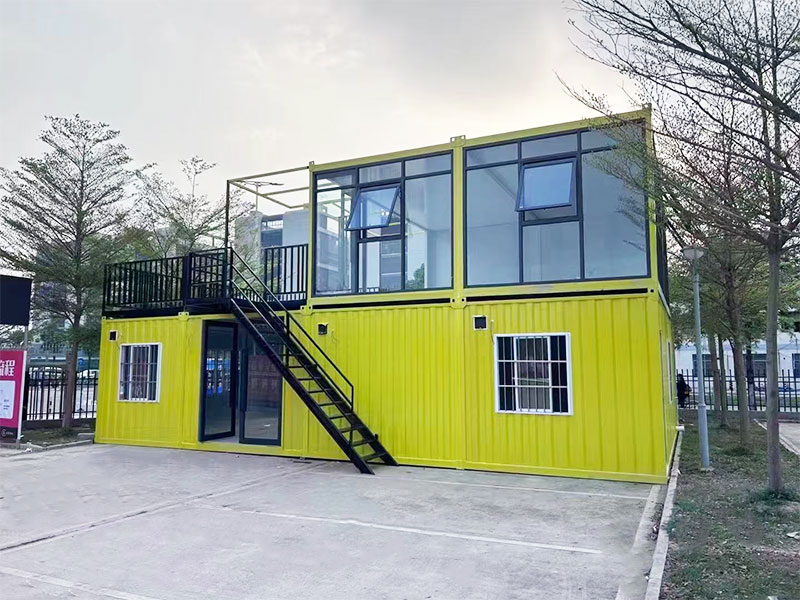
As a manufacturer focusing on the research, development, production and sales of color steel plate mobile houses, Wujiang Hongchang has a strong R&D team and rich industry experience, and can develop highly customized products based on drawings or samples provided by customers. This complete service chain from design to implementation makes prefabricated houses not only suitable for temporary construction on construction sites, but also increasingly enters the fields of commercial spaces, public facilities and even residential buildings.
The construction industry is one of the main sources of global carbon emissions, and prefabricated houses have significant advantages in environmental protection. Factory production greatly reduces construction waste and avoids material waste in traditional construction. Many prefabricated modules use recyclable materials. The color steel plates used by Wujiang Hongchang are not only light and strong, but also have good thermal insulation properties, which helps to reduce daily energy consumption.
Because modular components can be disassembled and reused, the life cycle of prefabricated houses is much more flexible than that of traditional houses. This "removable and reusable" feature makes it particularly suitable for coping with the high mobility needs in contemporary urban development, and is also in line with the global trend of promoting a low-carbon economy.
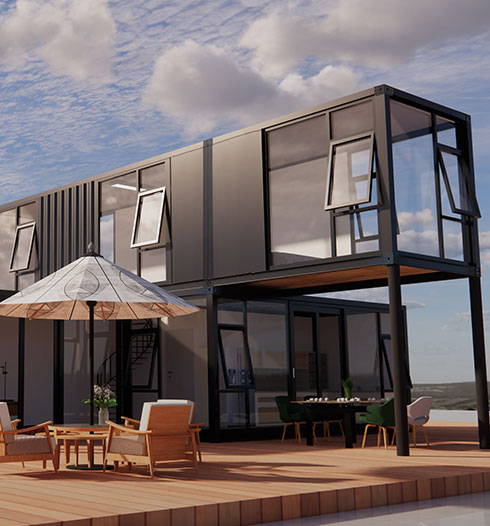
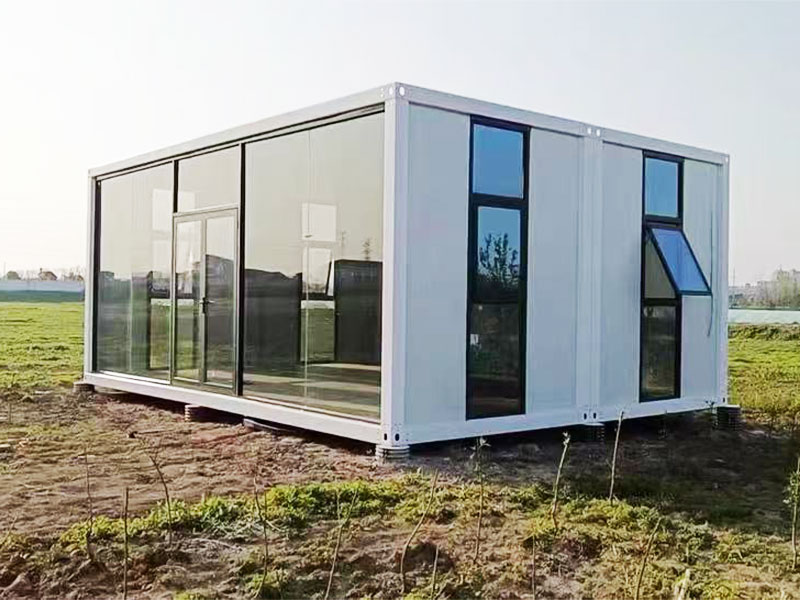
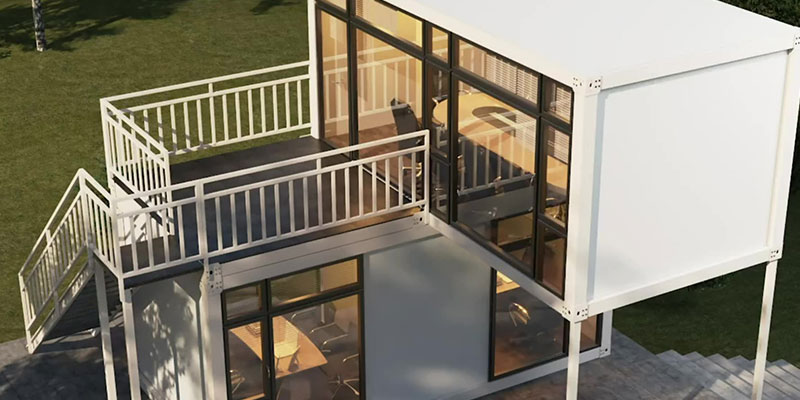
In the past, people often equated prefabricated houses with "simple board houses" or "temporary construction on construction sites", thinking that it was just an alternative to temporary buildings. With the advancement of technology and the renewal of design concepts, modern prefabricated houses have long broken through these stereotypes. Whether it is the appearance, interior layout or structural performance, it can meet or even exceed the standards of traditional residences.
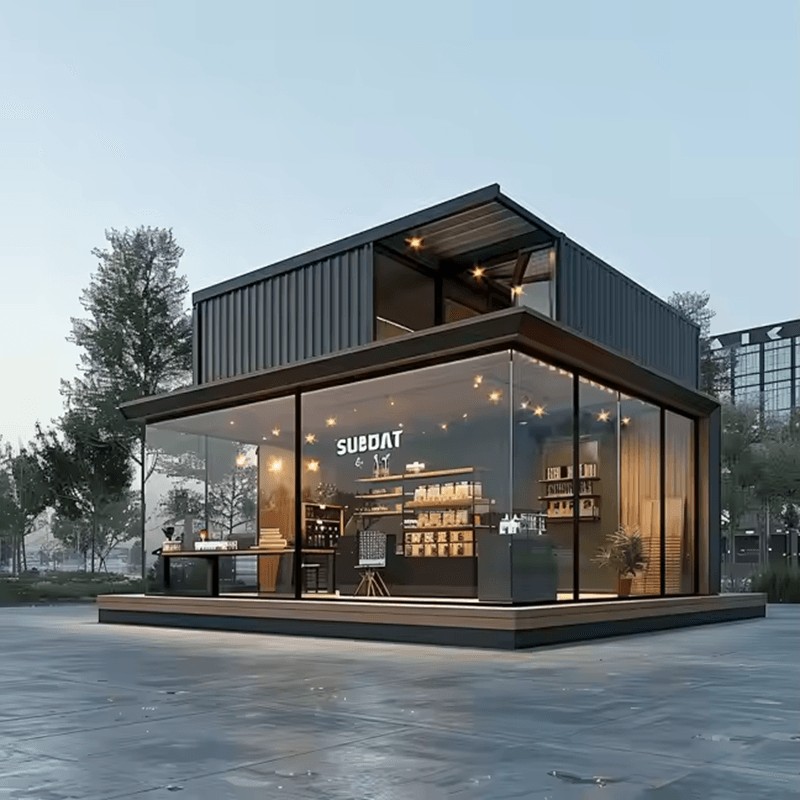
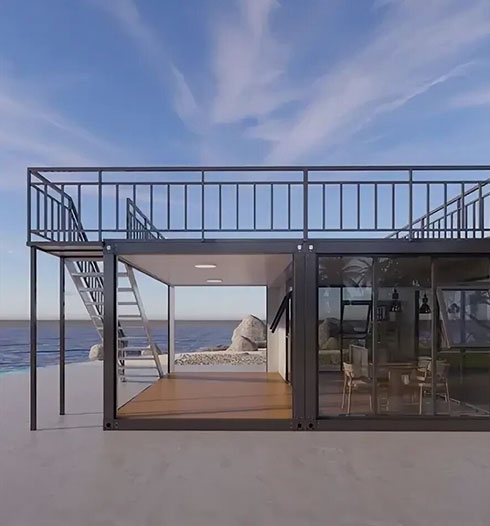
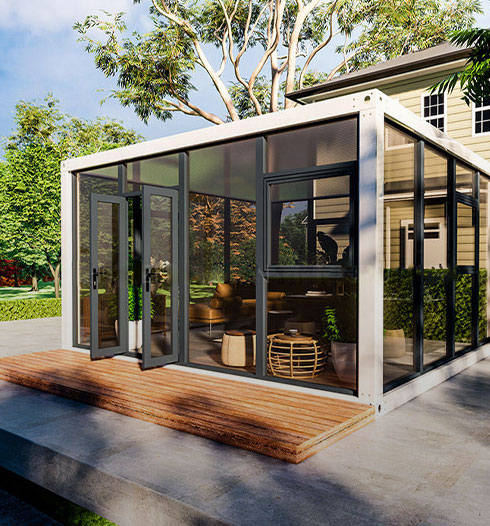
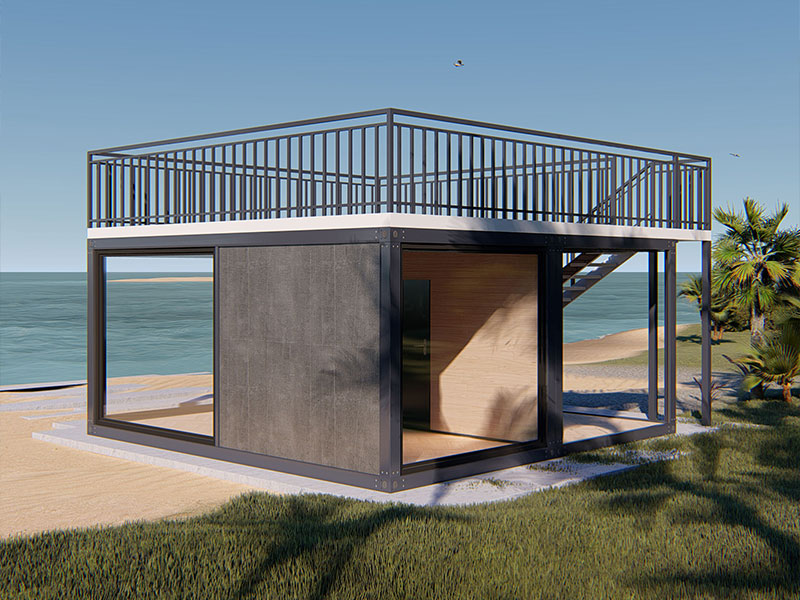
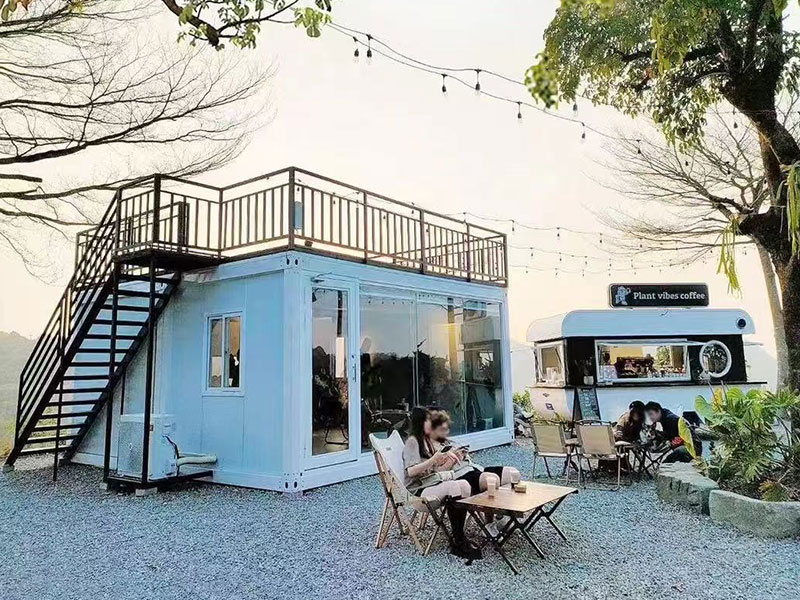
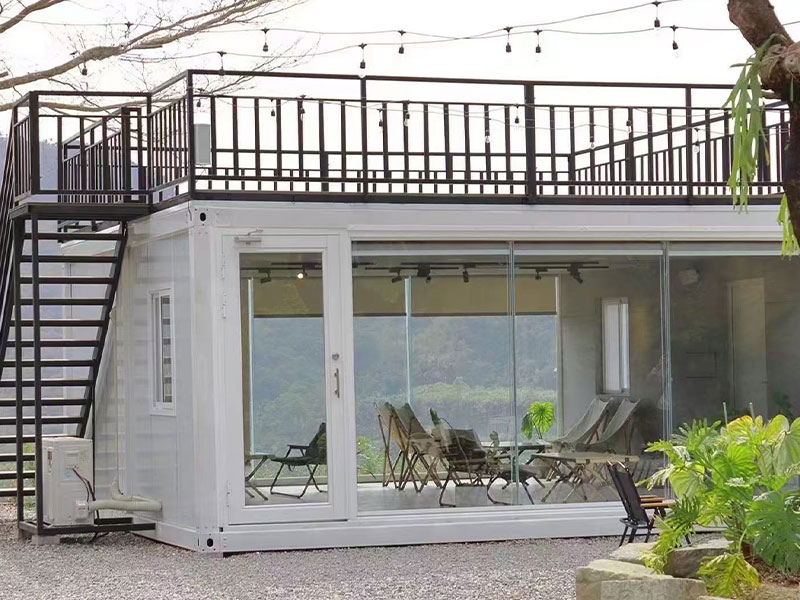
Wujiang Hongchang's products are not only beautiful in appearance and stable in structure, but also support highly customized services to meet the diverse functional and aesthetic needs of different customers. From mobile villas in scenic spots to fast-installed commercial blocks in cities, prefabricated buildings are becoming the preferred solution that takes into account both economy and quality of life.
In terms of cost, prefabricated houses have greatly reduced labor costs and material losses by reducing intermediate links and construction time. For real estate developers, this means a higher return on investment; and for ordinary consumers, this form of housing also provides a more affordable and flexible living option.
Overall, prefabricated houses have multiple conditions to become the mainstream of future residences: high efficiency and quality assurance brought by industrialization, sustainable characteristics of green environmental protection, user experience that takes into account both economical practicality and aesthetics, and huge market demand. Although there is still room for improvement in cultural cognition and regulatory systems, this trend is irreversible.
As demonstrated by the Wujiang Hongchang Color Plate House Factory, prefabricated houses are no longer transitional residences, but a new generation of architectural solutions that can truly improve people's living experience.


 มาจากประเทศจีน การตลาดสู่โลก